
Easy way to make Leaf Mould
Easy way to make leaf mould. So what is leaf mould and why make all the fuss about it? It is nature’s way of creating soil from leaves. It uses a fungal action to break down leaves and it produces a rich, dark, moisture-retentive layer which is very springy.
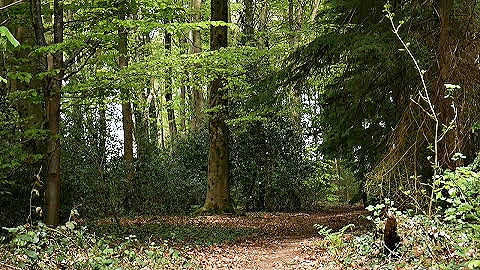
Think about walking through a woodland and how springy the floor can be. A woodland floor can have 30cm or more of beautiful leaf mold before you’ll find the soil. And for gardeners, leaf mould is great in a number of ways.
Making leaf mould
Create a container for making leaf mould. A hoop of chicken wire, four pallets tied together or even large bags with some holes punched into the baste.
Rake leaves and add to the pile. Once you have gathered a pile of leaves, you do not need to do anything to it. If you have used a plastic bag, add a little water to the bag, but make sure it can drain out of the holes. You don’t want the leaves to sit in a pool of water.
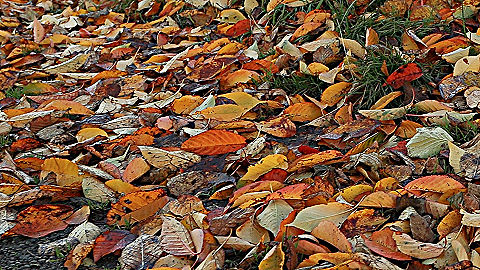
The other alternative is to pile the leaves onto a garden bed or border. They can act as a mulch for the winter months. This will help to suppress weed growth and reduce the impact of wind and water erosion. Best of all, there is very little work involved in creating leaf mould this way!
If you want to be proactive, you could add some previously made leaf mould to innocculate the leaf pile with fungi. But it isn’t essential. And if you don’t have any leaf mould you’ve made before, look below trees or hedges in your garden and use a handful of that.
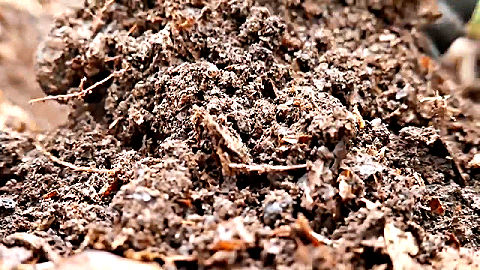
The main thing with leaf mould is not to add nitrogen rich materials as that will promote bacterial action. And great leaf mould is a made through a long, slow process of fungal action on the leaves.
How to use leaf mould
Use leaf mould to
- help make our own potting compost because it’s very fine
- create a mulch
- introduce a whole different set of microbes to your soil.
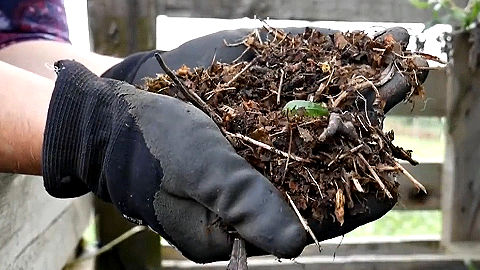
And when you add compost to the soil, you’re putting in lots of bacterial microbes, and when you put on leaf mold, you’re putting in fungal microbes. And our soil health is what is going to give us the best health. The wider the range of microbes and microbial action happening in your soil, the healthier your soil is likely to be, which will allow the plants to feed more and grow better plants.
Importance of leaves for wildlife
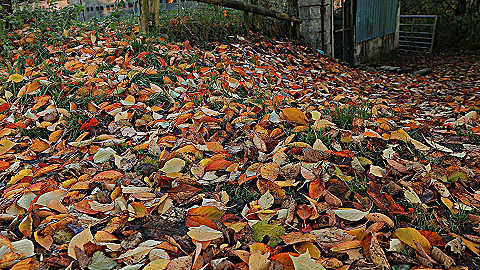
Some people recommend that you mow over the leaves to chop them up very finely and put them into a hoop of chicken wire to break down. However, I advise against this for two main reasons.
Firstly, the hedgehog population in on a decline. They need somewhere to hibernate and piles of leaves, sticks and bits of wood are absolutely ideal places for them. If you put the leaves into chicken wire the hedgehogs will not have enough access to get through the holes, collecting all the leaves in pallets or stock fencing wire allows sufficient space for the hedgehogs to get through and make their home for the winter.
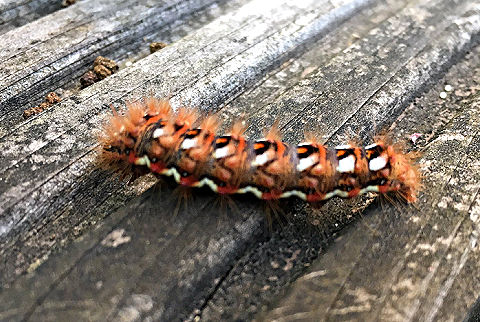
The second reason is that many trees are home to moths and they spend the winter on fallen leaves in various states of development. The more caterpillars and therefore, moths and butterflies, the more there is food for wild birds to feed on.
As a gardener, I love leaf mould. As someone who wants to support our wildlife, I love these piles of leaves. It’s an absolute win-win situation.
More informationn
The article about the easy way to make leaf mould is based on a video created for the YouTube channel, @LizZorab Gardening. I may have updated some of the specific words and images and added further suggestions. Additionally, links are included to help you find the suggested plants.
If you want to find the tools, equipment and plant suppliers that we use, check out our Resources page that include discounts and special offers for readers of this blog.

- Easy way to make Leaf Mould - November 15, 2026
- Plants to divide in autumn - November 13, 2026
- Hardy perennials to sow in spring - November 13, 2026