
Rabbit resistant plants
Rabbit resistant plants. When we moved to our current home, I quickly discovered that we were sharing the space with a large population of rabbits. While I like the idea of an Easter bunny, the reality of a colony of rabbits feasting on my plants was less than fun. It didn’t take long for me to see which plants they grazed to the ground and which were left mostly undisturbed.
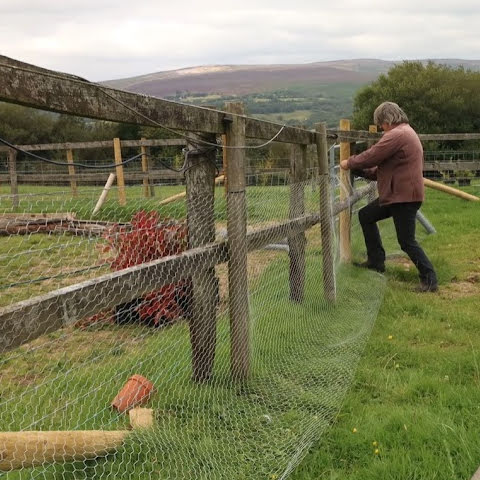
I put a rabbit-proof fence around the area in which I wanted to grow vegetables and other plants that rabbits seem to prefer to eat. Outside that area, I grow all of the plants I’ve chosen for this list. And while almost no plant is 100% safe from the attentions of a very hungry bunny, our local population, at least, tend to leave these rabbit resistant plants alone.
Rosa rugosa
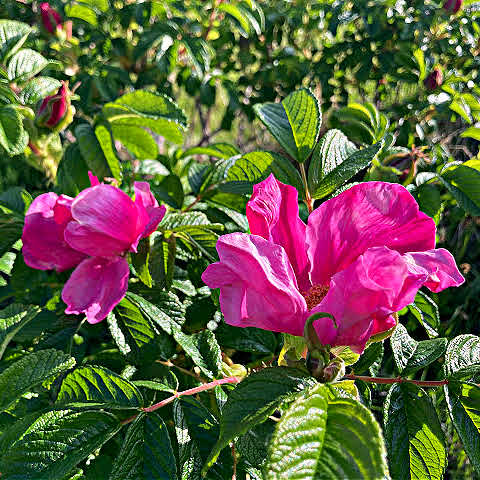
Rosa rugosa has very prickly stems, which rabbits seem to find less inviting than other stems, however, do not leave bareroot plants in a place accessible to rabbits as they may chew the plants roots (written from sad experience when hungry rabbits pulled bareroot roses out of a bucket of water). They are vigorous plants that can grow to 150cm tall or more, depending on variety. We grow both ‘Scabrosa’ with single, intense pink flowers and ‘Alba’ which has single, white flowers. I’ve recently added ‘Snowdon’ (fully double, white flowers) and ‘Hanza’ (fully double, bright magenta flowers).
Grow in any soil type, on any aspect, in moist, but well-drained or well-drained soil. They prefer full sun or partial shade and are fully hardy, so they will cope with exposed, windy sites.
Syringa vulgaris ‘Madame Lemoine’
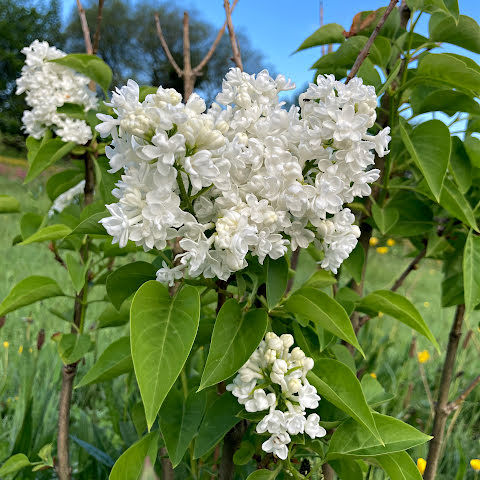
Lilac is instantly recognisable with its large panicles of flowers. More often the flowers are mauve or pink in colour, but this variety has pure white, intensely fragrant, double flowers. I grow this white variety and when it is in full flower, it stands out, even from a distance. Eventual height and spread 400cm (13ft), but that may take 10 – 20 years. It can be pruned, which should be done immediately after flowering in spring. Syringa vulgaris is fully hardy and prefers full sun and moderately fertile, moist but well-drained soil.
Narcissus ‘Golden Ducat’
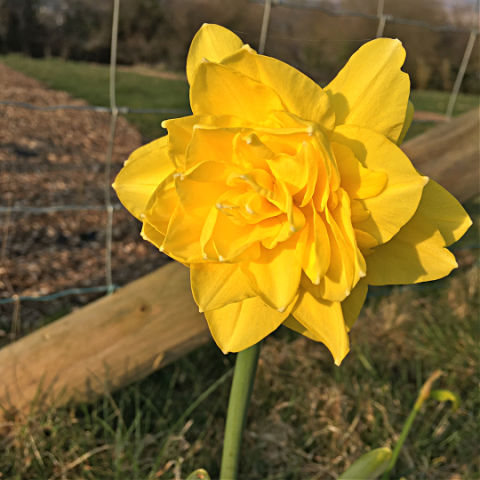
Daffodils are poisonous to rabbits (cats, dogs and humans too), so are safe to plant in areas that rabbits thrive.
I grow a range of daffodils, and have planted them to line a track between the fenced areas in the gardens. I particularly like Narcissus ‘Golden Ducat’ which has double flowers in a strong yellow in mid spring, usually flowering in mid-March to mid-April in our garden. When the weather is very wet, they can be prone to toppling over in the wind as the flowers become too heavy. But in most springs, this cheerful daffodil waves in the breeze and heralds spring in a spectacular fashion.
Grow in any soil type, on any aspect, in full sun or partial shade. They are hardy across the UK, Ireland and the rest of Europe. Deadhead to prevent it using energy to form seeds and let the leaves die down naturally to feed the bulb for the next year’s display.
Bergenia purpurascens var. delavayi

The thick, rubbery leaves are dark green to bronzy-purple, which often intensifies as the temperatures drop, as long as there are good light levels. They have a slightly erect habit to 40cm height and will form an evergreen ground covering clump up to 5ocm spread or more. Clusters of white or pink flowers appear on erect stems in spring. Grow in full sun or partial shaded. They prefer loamy, moist, but well-drained soil. They may fail to thrive in clay and chalk soils.
Lysimachia clethroides
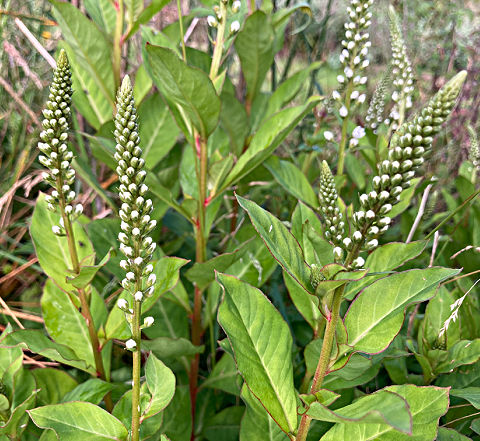
Gooseneck loosestrife is ideal for damp areas in the garden, it’s even happy in soil that has poor drainage. The small off-white flowers are produced at the top of thin terminal spikes. An herbaceous perennial that dies back after it has flowered in mid to late summer. It will grow in any soil type, in full sun or partial shade and prefers a sheltered spot in any aspect except north-facing. Hardy across the UK and Ireland. Height and spread 90cm.
It can be a bit of a thug, although we haven’t had any issues with it spreading too far, and I put that down to our garden being exposed and north-facing.
Iris ‘Jane Phillips’
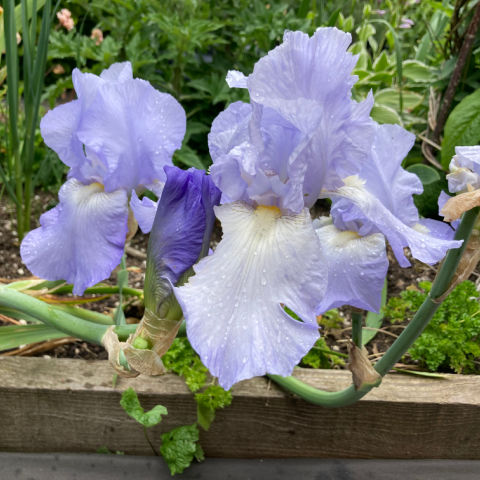
Last year I bought several pieces of this iris at Aberglasney Gardens after they had lifted them from their garden displays. I’m excited to see them in full flower this year. It grows to 100cm (3ft3in) height and has grey-green leaves, the flowers are very pale purple-blue with darker veins near the base and a white beard. This variety has been awarded the RHS medal of Garden Merit.
Grow in full sun on loam or sand soil that is acid or neutral, on a south-facing site. Do not plant deeply as sun on the rhizomes will encourage better flowering. The leaves die back during late autumn and start to regrow from early spring. Propagate from mid-summer to early autumn by dividing the clumps of rhizomes.
Helenium autumnale
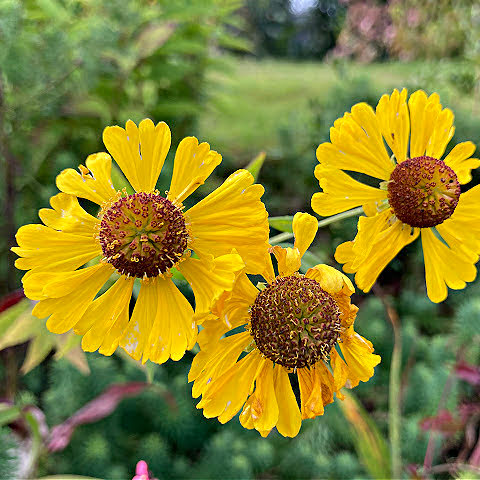
Commonly known as autumn sneezeweed, these rabbit resistant plants are herbaceous perennials that produce flowers from late summer and through autumn. It grows to 150cm (5ft) height and 60cm (2t) spread. Grow in full sun, in any soil type that is moist, but well-drained. Due to its height, it is best grown in a sheltered spot, you may want to provide some support around the clumps, and avoid a north-facing site. Hardy across the UK, Ireland and northern Europe. Propagate by division, preferably in spring, but you could divide in late autumn.
Last August, I planted several small clumps, in full sun, in our garden, which is elevated, exposed and north-facing, I shall report back on how they have coped.
Hesperantha coccinea
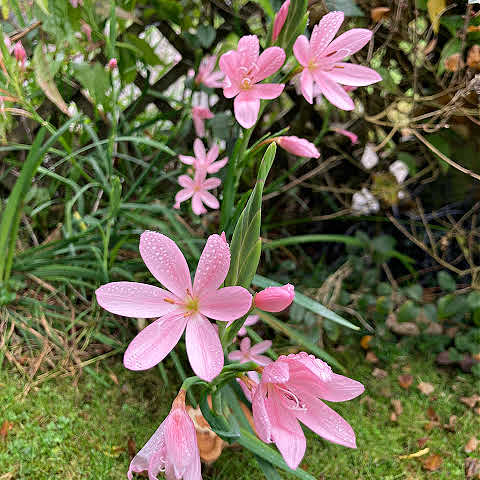
This plant quickly forms a clump and produces flowers up to 4cm across on stems up to 60cm tall. It is semi-evergreen, so in milder winters will retain its foliage. Grow in any type of soil that is moist, but well-drained. It requires full sun and is best in a south-facing position, sheltered position. That said, it grows very well on our north-facing, but open hillside. Provide it with a sheltered position to protect against chilling winds. These rabbit resistant plants have flower colours that include scarlet, pinks and white. For a pretty, pale pink variety, try Hesperantha coccinea ‘Pink Princess’.
Agapanthus ‘Queen Mum’
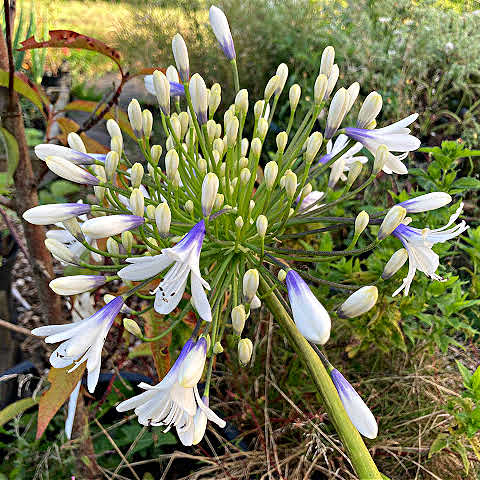
What a striking display these flowers make! I was first drawn to the size of the plants and the flowerheads, which are larger than those of many Agapanthus. Flowering during July to September, each flower is crisp white with a purple-blue base. Height 120cm (4ft) and 45cm (18in) spread.
This Agapanthus is borderline hardy. In milder areas, it could be left outside or grown in the border. I grow a large plant in a pot, so that I can take it into the polytunnel or greenhouse for the winter as a safeguard against our fierce and very wet winters.
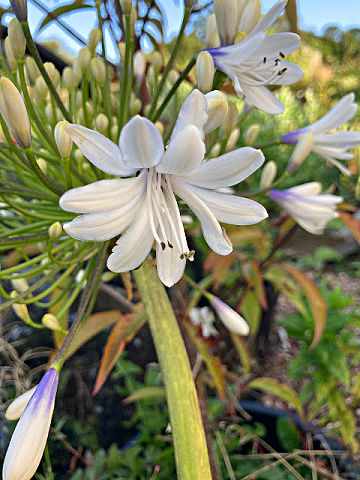
Grow in moderately fertile, well-drained soil, in full sun. Young plants can benefit from having their roots restricted, but they should not become pot bound. If growing in a pot, use a loam base soil and feed during the summer months. In the ground, leave the clump to grow without disturbance.
Helianthus tuberosus ‘Dwarf’
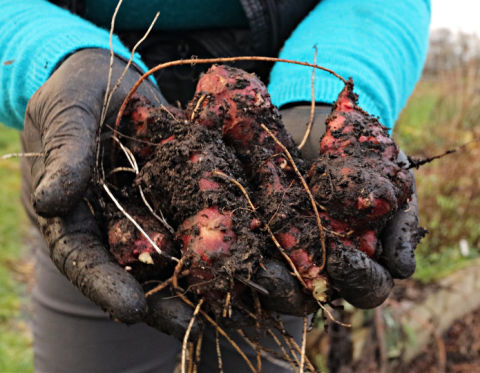
A member of the sunflower family (all of which seem rabbit resistant), this plant is more commonly known as Jerusalem artichoke. Usually they reach 180cm (6ft) or more, but this variety is ideal for small gardens, containers and windy or exposed sites. Helianthus tuberosus ‘Dwarf’ grows to 6cm (2ft) height and produces bright yellow flowers in late summer or autumn.
Most Jerusalem artichokes will spread rapidly, but ‘Dwarf’ usually forms a neat clump of tubers, making it less invasive in the garden. I’ve had a plant in the vegetable garden for three years and the clump has reached about 50cm (20in) across, although I have harvested some tubers from it each year.
More informationn
The article about rabbit resistant plants was written for Amateur Gardening magazine and published in spring 2026. I have updated some of the specific varieties and images and added further suggestions. Additionally, links are included to help you find the suggested plants.

- Rabbit resistant plants - November 20, 2026
- Easy way to make Leaf Mould - November 15, 2026
- Plants to divide in autumn - November 13, 2026